2026-10-16 ·
Preparing Winnetka Properties for Santa Ana Wind Fire Season
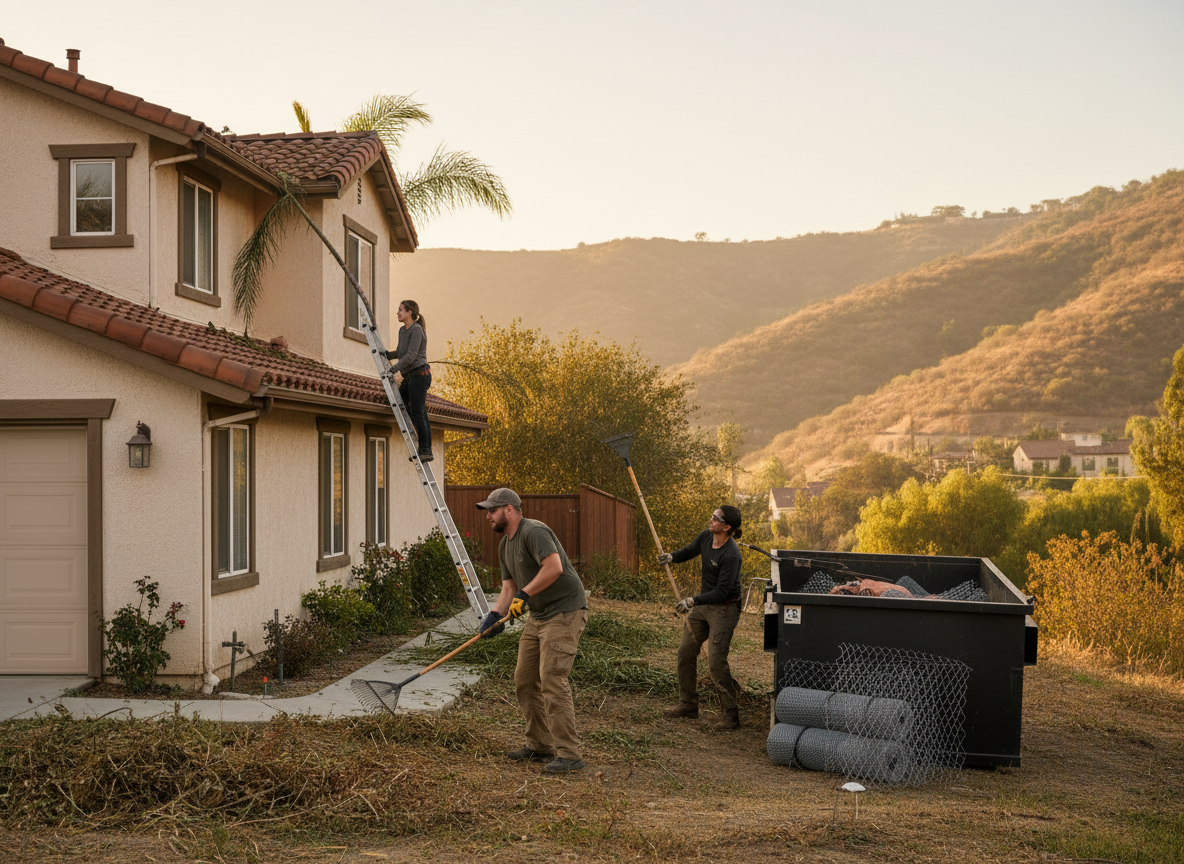
Preparing Winnetka properties for Santa Ana Wind Fire Season begins with establishing a 30-foot defensible space cleared of dry vegetation and installing ember-resistant vents on homes built before 1990 that dominate Winnetka and Sherwood Forest. These steps address the mild Mediterranean climate with warm dry summers that leaves brush and roofing materials highly combustible when winds exceed 40 mph from the north.
Understanding Santa Ana Winds in Los Angeles County
Santa Ana winds typically arrive between October and January, driving humidity below 10 percent across Winnetka and pushing embers from distant fires into neighborhoods near Winnetka Park and Pierce College. Older single-family homes with wood shake roofs or open eaves common in this part of the county allow embers to enter attics within minutes. Residents in nearby Canoga Park and Reseda face the same pattern because the flat terrain funnels winds directly through the San Fernando Valley. Monitoring National Weather Service alerts for wind speeds above 25 mph helps owners act before ignition occurs.
Creating Defensible Space Around Winnetka Homes
Clear a 5-foot zone immediately around the structure by removing mulch, dry leaves, and potted plants that sit against siding. Extend the zone to 30 feet by trimming tree branches 10 feet above the roof and spacing shrubs at least 15 feet apart. In Sherwood Forest, where many lots back up to open slopes, add a 100-foot reduced-fuel buffer by mowing grasses to 4 inches or less. These distances matter because embers can travel more than 1 mile during a Santa Ana event, landing on roofs or in gutters before flames reach the property line.
Hardening Roofs, Vents, and Windows
Replace or cover existing vents with 1/8-inch mesh screening rated for ember intrusion. Install Class A roofing such as composition shingles or metal when re-roofing, as these materials resist ignition far better than older wood shakes found on many Winnetka homes. Add dual-pane windows with tempered glass on the north and east sides most exposed to wind-driven fire. These upgrades reduce the chance of interior ignition even when flames pass within 20 feet of the structure.
Planning Evacuation Routes and Supplies
Map two exit routes from Winnetka addresses that avoid major roads like Sherman Way during high-wind events when debris can block lanes. Keep a go-bag with medications, documents, and a battery radio ready year-round. Families near Woodland Hills and Reseda often rehearse these routes in September before peak season because traffic on the 101 freeway can gridlock within 30 minutes of an evacuation order. Local resources at emergency fire damage restoration outline what to document before leaving.
Post-Incident Steps and Local Resources
After embers or smoke reach a property, ventilate safely only after the fire department clears the area. Document all damage with dated photos before any cleanup begins. Homeowners in Winnetka can review cost factors at what influences fire damage repair costs in winnetka and learn how dry conditions accelerate soot adhesion at how dry climate conditions affect fire restoration in winnetka. Properties in adjacent areas such as Canoga Park follow the same preparation sequence due to shared wind corridors and housing stock.
Round-the-clock availability at 7574 Winnetka Ave supports immediate assessment when winds are forecast, allowing owners to complete last-minute hardening before conditions worsen.